Monday, January 25, 2016

Passage analysis

We have finished reading Crime and Punishment.  Now we are jigsawing:) With such a large text, it can be easy to overlook the way in which the author is able to convey his ideas.  So for this week, I want you to pull a passage that you find to be thought provoking or interestingly constructed.  

Type out the passage and then break it down for us.  Go line by line analyzing how each word, each sentence, and the use of language impacts what is being said. (Choose a small enough passage so that this is possible.)


Monday, January 18, 2016

Making Sense ofThings

We have read many different texts and types of texts this year.  We are only halfway through.  Look at this article, Meaning in Nonsense. Read what is being said about nonsense and how we read and how we write.  Once you have done this, think about sound and how sound affects you when you read a piece of poetry.

In your post, I want you to pull out one part of this article that resonates with you and explain why it speaks to you.  Once you have done that, I want you to explain how one piece we have read this year, either poetry or prose, has impacted you through sound, nonsense, or some other means.  Think about what is said in this article.  Do you feel the same way?

Monday, January 4, 2016

Cultural influences

Every text we read has been influenced by the writer and the time the writer creates within.  Read this brief piece from Brain Pickings.  Look at what is being said about writers, culture, and creativity.  

Apply this to Dorian Gray.  Write a response where you look at what is going on during Wilde's time, his readers, his ideas, his influences.  Use examples from the text and from Brain Pickings.  If you choose to pull additional sources, be sure to cite them.  


Monday, November 30, 2015

Sonnet


We looked at the different sonnet structures last week, and we discussed how the structure influences the content and how we read the poem.  For this week's blog, please go to either the Poetry foundation, Poetry Out Loud, or The Academy of American Poets and read through several different sonnets.  Once you find one that you like, put the sonnet in your post. Then, explain to us the following information:

  1. What is the sonnet structure? Type of sonnet.
  2. What is the sonnet about?
  3. Why did you pick this sonnet?
Do not look up an analysis of the sonnet. You need to be able to figure this out on your own.  

Monday, November 16, 2015

Listen and write

     I never come at something with just my mind.  I experience the world with every part of my being.  I listen to music, read poetry,  watch film, engage with people with all aspects of myself. It can be exhausting, yet rewarding.  

     For this week's blog, I want you to think about one medium that you experience with all parts of you: mind, senses, emotion.   Then I want you to narrow it down to one piece.  What one piece affects every aspect of you?  You may think this weird or overly sentimental.  But, when we encounter the world with only one aspect of ourselves our interpretation is diminished.  
    This may be hard for some of you to narrow your choices down.  I have been trying to narrow my own down for the last several hours.  
 
     Once you have narrowed down your focus, provide us with the following information:

  1. Describe it for us so we have a context.
  2. If there is a link, attach it so we may view or listen. 
  3. Tell us why it matters to you using specific references from it to reinforce your statements.
As this is a school site, keep it within the context of school expectations.  


Monday, November 9, 2015

Thinking caps

Think about what you love to do: make music, watch film, run, knit, code, wrestle, act...

How does the thinking you do for what you love transcend your passion and emerge in how you read and write?  Explain the thinking you do for what you love.  Then, show me that in poetic form as you write about how you read and write.  

Monday, November 2, 2015

Passage analysis

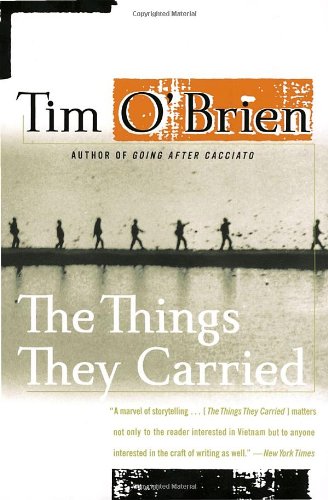
     This week you are reading three different excerpts: Yellow Birds, The Things They Carried and Redeployment.  The language in these texts capture and hold so much.  As a result, I want you to pick a paragraph that you think is very powerful.  
    Type the paragraph before you unpack it.  Then, I want you to unpack the language.  Pull it apart explaining what and how the language works to create meaning.  Use your literary devices to aid you in your thinking and analysis. After you have unpacked the passage, tell us why it matters?